
If you’ve heard claims that humans don’t need fiber, especially from those deep into the carnivore diet echo chamber, you’re not alone. It’s become trendy in some circles to suggest that fiber is optional, outdated, or even harmful. But this kind of thinking isn’t just misinformed…
It flies in the face of decades of nutritional science, clinical research, and human physiology.
Let’s set the record straight. Fiber isn’t an option. It’s a cornerstone of metabolic, cardiovascular, and gut health. And the idea that you can thrive without it, long-term, is not supported by a single high-quality study.
Before diving into what happens when you don’t get enough fiber, it’s important to understand that not all fiber is the same. There are three primary types of dietary fiber, each with different roles in the body.
Understanding the Different Types of Fiber
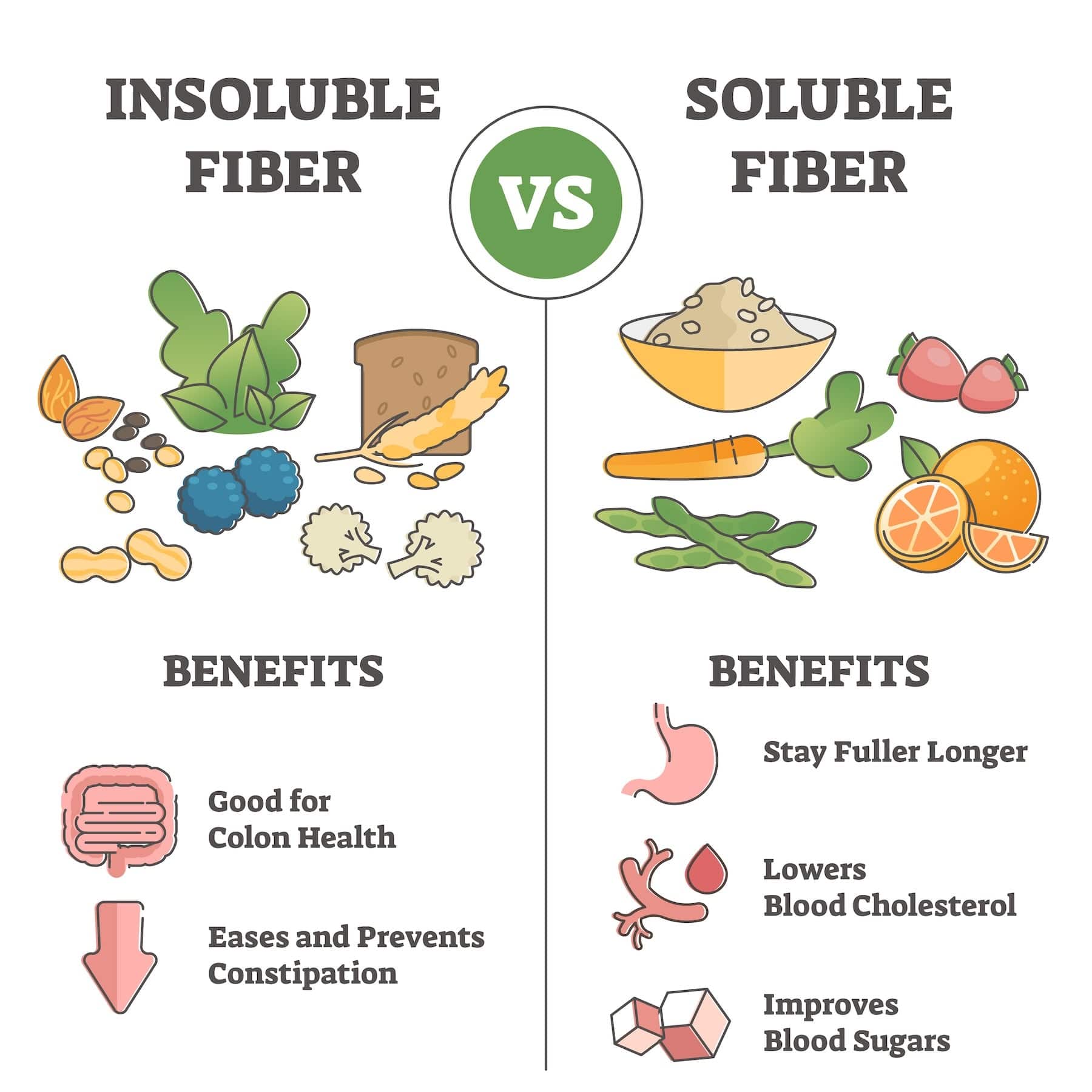
- Soluble fiber dissolves in water and forms a gel-like substance in the digestive tract. This slows digestion, helps stabilize blood sugar, and reduces LDL cholesterol. It is found in foods like oats, barley, legumes, apples, and citrus fruits.
- Insoluble fiber does not dissolve in water and adds bulk to stool. It speeds up the passage of food and helps prevent constipation. It is found in whole grains, vegetables, nuts, and the skins of fruits.
- Resistant starch functions similarly to fiber because it resists digestion in the small intestine and ferments in the colon. This fermentation process produces short-chain fatty acids like butyrate, which nourish colon cells and reduce inflammation. Resistant starch is found in foods like cooked and cooled potatoes, green bananas, legumes, and whole grains.
Most plant foods contain a mix of these fiber types, and the synergy between them is part of what makes whole-food sources so effective.
Does Our Body Really Need Fiber?
Yes, it does. Fiber is not classified as an essential nutrient in the way that vitamins or amino acids are, but that’s only because a deficiency doesn’t cause immediate death. What it does cause, over time, is an increased risk of chronic diseases, impaired gut function, and
The notion that there is “no scientific evidence” supporting the need for fiber is objectively false.
A major meta-analysis published in The Lancet reviewed data from over 240 studies and concluded that diets high in fiber significantly reduce the risk of heart disease, stroke, type 2 diabetes, and colorectal cancer(1).
Fiber-rich diets also promote healthy body weight, improve insulin sensitivity, and reduce markers of inflammation(2).
Alright, we’ve established that fiber is critical to overall health, but what actually happens when you don’t eat enough of it?
The absence of fiber affects the body in several ways, most of them detrimental. Without fiber, intestinal transit slows, leading to hard, dry stools and chronic constipation. The
beneficial bacteria in your colon, which thrive on fermentable fibers, begin to die off or shift toward species associated with inflammation and disease(3).
Low fiber intake has also been linked to increased levels of circulating LDL cholesterol, elevated blood pressure, impaired glucose metabolism, and other important markers of metabolic health(4).
Fiber helps regulate the release and absorption of glucose, and without it, post-meal blood sugar spikes become more pronounced. The long-term consequences of a fiber-poor diet include a higher risk of metabolic syndrome, cardiovascular disease, and gastrointestinal disorders like diverticulitis.
Even if fiber is beneficial, can I live without it?
Technically, yes. People can survive on extremely low-fiber diets for years. But the question isn’t whether it’s necessary for short-term survival, but whether it’s necessary for long-term health.
Populations that consume traditional, fiber-rich diets have significantly lower rates of chronic diseases than those consuming
ultra-processed, low-fiber Western diets. The Hadza of Tanzania, for example, consume upwards of 100 grams of fiber per day and exhibit minimal rates of diabetes, obesity, or cardiovascular disease(5).
Living without fiber is possible. Thriving without it is not.
Let’s talk about something people don’t like to talk about: poop. Because fiber’s effects show up clearly in your bowel movements.
What Happens to Poop if You Don’t Have Enough Fiber?
Stool quality is one of the most obvious indicators of fiber intake. Insoluble fiber adds bulk and softens stool by retaining water. Soluble fiber slows intestinal transit just enough to optimize nutrient absorption and stool formation. Resistant starch feeds gut bacteria, which produce short-chain fatty acids that further support regularity.

Without these, stools become small, dry, and hard to pass. You may experience straining, infrequent bowel movements, and even hemorrhoids.
Chronic low-fiber intake is also a risk factor for diverticular disease, a painful condition involving pouches in the colon wall(6).
So how can you tell if you’re getting enough fiber, or if your body is quietly begging for more?
How Do I Know If My Body Needs More Fiber?
Here are several signs:
• You’re frequently constipated or have inconsistent bowel movements
• You feel hungry shortly after meals
• Your
blood sugar fluctuates wildly after eating
• You experience frequent bloating or digestive discomfort
• Your LDL cholesterol levels are elevated
If any of these apply to you, increasing your fiber intake gradually while also increasing water consumption can often lead to noticeable improvements within days or weeks.
You may have heard that fiber “cancels out” carbs. But what does that even mean, and is it true?
Does Fiber Really Cancel Out Carbs?
This idea stems from the concept of “net carbs,” which subtracts fiber grams from total carbohydrate grams. It’s based on the fact that fiber, especially insoluble fiber, is not digested or absorbed like other carbohydrates and thus has little to no impact on blood sugar or insulin levels.
Soluble fiber can actually help blunt the blood sugar spike from meals by slowing the digestion and absorption of carbohydrates. This has been shown in multiple clinical trials using viscous fibers like
beta-glucans from oats or psyllium husk(7).
So while fiber doesn’t literally cancel out carbs, it does reduce their metabolic impact. If you’re following a low-carb or keto diet, you might think fiber isn’t necessary anymore. Let’s clear that up.
Do You Need Fiber If You Don’t Eat Carbs?
Even in low-carbohydrate or ketogenic diets, fiber is still beneficial. You can get ample fiber from low-carb plant foods like leafy greens, avocados, chia seeds, flaxseeds, and non-starchy vegetables. Resistant starches can also be included strategically without disrupting ketosis.
Fiber supports gut health, regulates digestion, and promotes hormonal balance, none of which are dependent on carbohydrate intake. Going low-carb doesn’t mean going no-fiber.
Alright, let’s address a common complaint that makes people hesitate to eat more fiber:
gas and bloating.
Does Fiber Make You Gassy?
It can, especially when you suddenly increase your intake.
Gas is a natural byproduct of fermentation in the colon as gut bacteria break down certain fibers. This is actually a good thing. It’s a sign that your microbiota is active and being fed.
If excessive gas or bloating occurs, it usually resolves after a short adaptation period. Gradual increases in fiber and staying hydrated help minimize symptoms.
Choosing less fermentable fibers like wheat bran over highly fermentable ones like inulin can also reduce discomfort during the transition. Some people worry that eating too much fiber could mess with their blood sugar, but what is the truth?
Does Fiber Raise Blood Sugar?
No. In fact, fiber, particularly soluble and resistant types, has the opposite effect. It slows gastric emptying and reduces the absorption rate of glucose, leading to
A systematic review published in The American Journal of Clinical Nutrition found that diets high in soluble fiber significantly reduced fasting blood glucose and HbA1c levels in people with type 2 diabetes(8).
Fiber doesn’t spike blood sugar, it helps control it.

Now that we’ve laid the groundwork, let’s talk numbers. How much fiber do you actually need every day to see these benefits?
How Much Fiber Do You Need Per Day?
• Women under 50: 25 grams per day
• Men under 50: 38 grams per day
• Women over 50: 21 grams per day
• Men over 50: 30 grams per day
Children and adolescents require less, but intake should increase as they age. Most people in Western countries consume far less than these recommendations, averaging just 15 grams per day.
Ok, now that you know how much fiber you should be eating each day, what are the best sources to get each type so you’re getting a great mix of soluble and insoluble fiber?
What Are The Best Natural Food Sources of Fiber?
If you’re aiming to increase your fiber intake, these foods offer the most value:
- Vegetables: Broccoli, Brussels sprouts, carrots, spinach, kale
- Fruits: Apples, pears (with skin), raspberries, avocados, oranges
- Legumes: Lentils, black beans, chickpeas, split peas
- Whole Grains: Oats, barley, quinoa, brown rice
-
Nuts and Seeds: Almonds,
chia seeds, flaxseeds, pumpkin seeds
- Resistant Starch Sources: Cooked and cooled potatoes, green bananas, legumes, whole grains
- You can find a chart with a comprehensive list of fiber sources
here.
Honorable mentions for fiber sources:
-
Psyllium husk: A supplement that is highly effective for both constipation and cholesterol. If you need to quickly increase fiber intake without adding more food, this is the way to go. Mix it in water and treat it like you would a protein shake to increase protein, which is to say:
don’t treat it as your main source.

-
Seaweed:
Some forms like nori or kelp offer unique soluble fibers. - Cocoa powder (unsweetened): 2g of fiber per tablespoon, plus polyphenols.
Additional Tips for Maximizing Fiber Naturally
- Aim for variety: Mix sources to cover both soluble and insoluble needs
- Eat the skins: That’s where much of the fiber lives (apples, potatoes, carrots)
- Hydrate: Water is essential to move fiber through your system
- Go slow: Increase fiber gradually to avoid bloating and gas
- Cook smart: Light steaming helps make veggies easier to digest while retaining fiber
The most effective approach is to mix fiber sources to get both soluble and insoluble types. And always increase fiber gradually to avoid digestive discomfort. We’ve covered a lot, from fiber myths to science-backed truths. So what’s the bottom line?
Fiber is a fundamental piece of human nutrition.
The modern anti-fiber sentiment is not only unsupported by evidence, but it’s actively misleading people into dietary patterns that may have long-term consequences for their gut, heart, and metabolic health.
If you care about longevity, digestive health, and disease prevention, fiber should be a non-negotiable part of your daily intake. Start small, go slow, and let your body adapt. Your microbiome, blood sugar, cholesterol levels, and colon will all thank you.
It is not optional.
It’s necessary for a healthy gut, and a healthy gut is necessary for a long and healthy life, and increasing your fiber intake every day is one of the easiest things you can do to improve gut health. Another simple thing you can do is add a daily probiotic to your daily routine.
Pro+Flora Probiotic helps you stay on point by providing your gut flora the fuel they need to keep you healthy and strong.
If you’re looking for a quick and effective way to improve your gut health and fortify your immune system,
add Pro+Flora Probiotic to your daily routine!


References:
(1) Reynolds, A., Mann, J., et al. (2019). Carbohydrate quality and human health: a series of systematic reviews and meta-analyses. The Lancet, 393(10170), 434-445. https://doi.org/10.1016/S0140-6736(18)31809-9
(2) Weickert, M.O., Pfeiffer, A.F.H. (2018). Impact of dietary fiber consumption on insulin resistance and the prevention of type 2 diabetes. The Journal of Nutrition, 148(1), 7-12. https://doi.org/10.1093/jn/nxx008
(3) Makki, K., Deehan, E.C., Walter, J., Bäckhed, F. (2018). The impact of dietary fiber on gut microbiota in host health and disease. Cell Host & Microbe, 23(6), 705-715. https://doi.org/10.1016/j.chom.2018.05.012
(4) Lattimer, J.M., Haub, M.D. (2010). Effects of dietary fiber and its components on metabolic health. Nutrients, 2(12), 1266-1289. https://doi.org/10.3390/nu2121266
(5) Schnorr, S.L., Candela, M., et al. (2014). Gut microbiome of the Hadza hunter-gatherers. Nature Communications, 5, 3654. https://doi.org/10.1038/ncomms4654
(6) Aune, D., Sen, A., Norat, T. et al. Dietary fibre intake and the risk of diverticular disease: a systematic review and meta-analysis of prospective studies.
Eur J Nutr 59, 421–432 (2020). https://doi.org/10.1007/s00394-019-01967-w
(7) Abutair, A.S., Naser, I.A. & Hamed, A.T. Soluble fibers from psyllium improve glycemic response and body weight among diabetes type 2 patients (randomized control trial). Nutr J
15, 86 (2016). https://doi.org/10.1186/s12937-016-0207-4
(8) Robert E. Post, Arch G. Mainous, Dana E. King and Kit N. Simpson
The Journal of the American Board of Family Medicine January 2012, 25 (1) 16-23; DOI: https://doi.org/10.3122/jabfm.2012.01.110148