
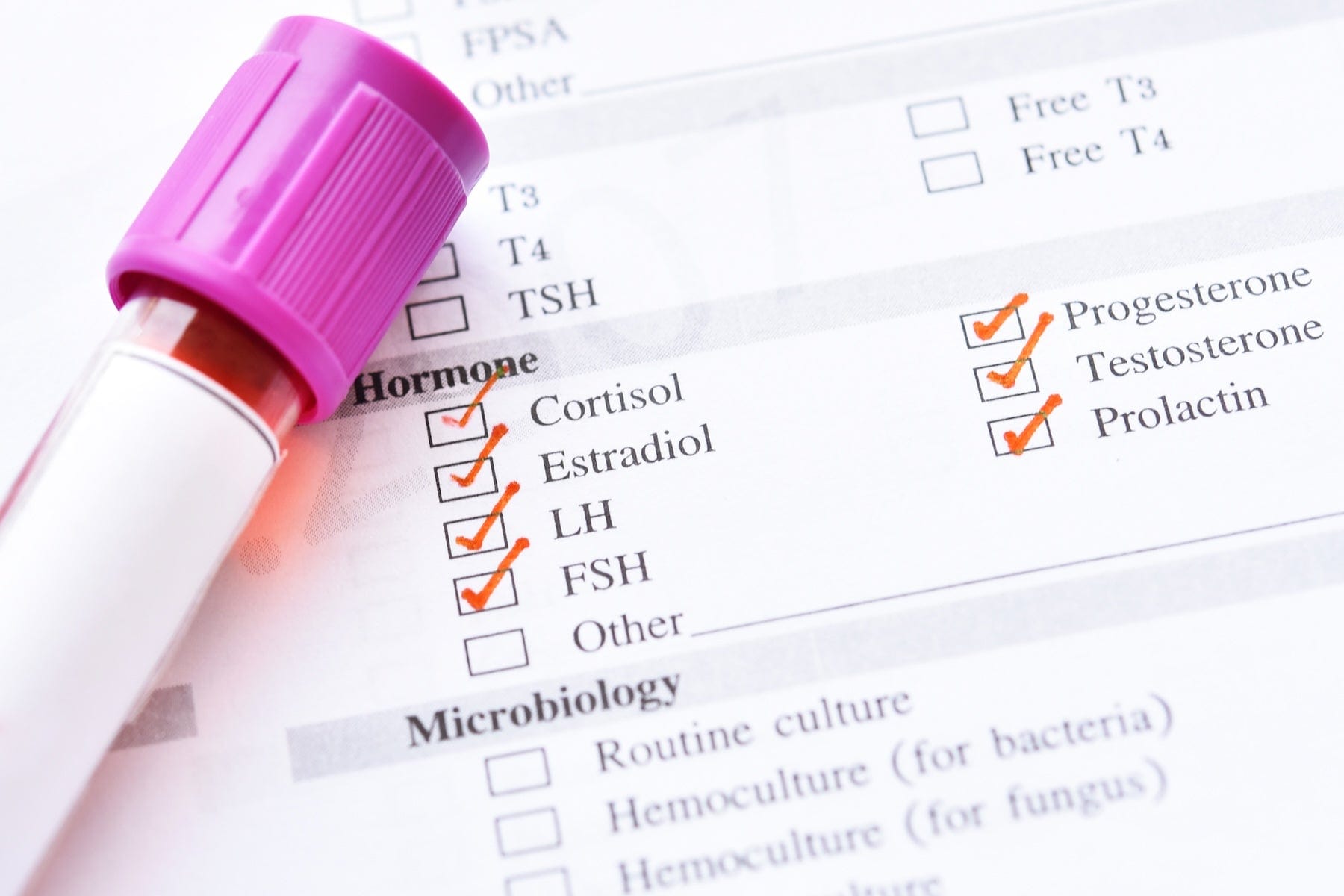
If you’ve ever tried to grind through a workout after tossing and turning all night, you know it feels like dragging yourself through sand. One bad night of sleep won’t permanently kill your gains, but it will do more damage than you realize.
A single night of poor sleep creates measurable hits to your hormones, recovery,
appetite regulation, and performance capacity.
Too many people treat sleep like an optional recovery bonus, when in reality, it’s the base layer of everything you do in the gym. And while chronic sleep deprivation is obviously worse, even one rough night creates a hormonal and neurological cascade that compromises your progress in ways most lifters never see coming. Let’s break down exactly what happens to your body after just one night of poor sleep, and how to fight back when it happens.
The Foundational Role of Sleep in Recovery and Performance
To understand the damage, we need to define what sleep actually does for lifters. During deep sleep (particularly slow-wave sleep), the body ramps up anabolic processes like growth hormone secretion and muscle protein synthesis. REM sleep, on the other hand, helps regulate the nervous system, memory consolidation, and emotional processing, key for stress resilience and motor learning.
Sleep is also when the autonomic nervous system shifts into parasympathetic dominance.
This state allows for systemic repair, reduction of inflammation, and restoration of neurotransmitter balance.
Disrupting this rhythm compromises both physical recovery and cognitive performance.
Without enough sleep (or enough quality sleep) the body’s ability to repair muscle tissue, regulate appetite, and control cortisol becomes impaired. And this happens fast.
Cortisol Up, Testosterone Down
Cortisol is a natural hormone that plays a big role in our sleep-wake cycle. It naturally rises right before you wake up, but after a night of poor sleep, it spikes the following morning. Cortisol
(the primary stress hormone) breaks down tissue, suppresses the immune system, and interferes with insulin sensitivity. Elevated cortisol also blunts testosterone production, a double whammy for anyone aiming to build or maintain muscle and achieve peak performance.
Testosterone is crucial for muscle hypertrophy, recovery, and motivation to train. Lower it, and you’re stacking the deck against yourself before you even touch a barbell.
A 2007 study found that just one night of restricted sleep led to a significant increase in evening cortisol and a blunted testosterone response the next day(1).
Appetite Regulation and Cravings Get Thrown Off
Sleep loss doesn’t just affect the
hormones that build muscle, it screws with the ones that regulate hunger. Ghrelin, the hormone that stimulates appetite, goes up after sleep deprivation. Meanwhile, leptin, the hormone that signals fullness, goes down. This hormonal distortion leads to increased cravings, particularly for high-calorie, high-carb foods.
In a well-known study from 2004, researchers showed that one night of sleep restriction increased ghrelin levels by 28% and decreased leptin by 18%, resulting in a 24% increase in hunger and a strong preference for energy-dense foods(2).
For anyone trying to stay lean or control calories, this is sabotage in disguise.
Neuromuscular Function and Strength Output Decline
You may think you can push through with caffeine and grit, but your central nervous system says otherwise. Sleep is essential for maintaining neuromuscular efficiency, how well
your brain communicates with your muscles.
Even a single night of poor sleep has been shown to reduce maximal strength output, decrease reaction time, and impair coordination(3).
Compound lifts like squats, deadlifts, and Olympic lifts are especially sensitive to CNS fatigue. Your perception of effort also goes up, meaning the same weight feels heavier than it should.

This isn’t just a mental game. When sleep is compromised, motor unit recruitment drops and fatigue sets in sooner. One study found that after just 24 hours of sleep deprivation, peak muscle force was significantly reduced, along with accuracy in force production(4).
Reduced Muscle Recovery and Elevated Inflammation
Post-workout recovery depends heavily on anti-inflammatory processes and muscle protein synthesis, both of which are hindered after sleep deprivation. Without enough deep sleep, the body struggles to recover from training.
Inflammatory markers like interleukin-6 (IL-6) and C-reactive protein (CRP) are elevated after just one bad night, leading to increased muscle soreness and prolonged recovery time(5).
That soreness you feel the day after sleeping badly is not just in your head, it’s physiological.
Practical Takeaways: How to Mitigate the Damage
So what should you actually do if you’ve had a bad night of sleep but still want to train? The key is to adjust expectations and optimize recovery as best as you can.
1. Modify Your Training Intensity or Volume
Avoid maximal efforts, technical lifts, or high-volume hypertrophy days when sleep-deprived. Opt for moderate-load, lower-volume sessions that stimulate without overly taxing the nervous system. Focus on movement quality, mobility, and technique.
2. Prioritize Nutrition and Protein Intake
After a poor night of sleep, your body’s recovery is already compromised. Doubling down on proper nutrition, especially
high-quality protein can help offset the loss in overnight muscle protein synthesis. Aim for 0.4g/kg of protein before and after your session.

3. Use Strategic Caffeine, But Don’t Overdo It
Caffeine can help offset fatigue and improve alertness, but megadosing it after poor sleep creates a cycle of wired-but-tired stress. Stick to 100-200mg pre-workout and avoid caffeine past mid-afternoon to preserve your next night’s sleep.
4. Double Down on Sleep the Next Night
Your body can’t “catch up” on sleep hour-for-hour, but you can increase sleep quality and rebound faster by extending your sleep window and minimizing blue light, alcohol, and heavy meals at night.
5. Don’t Chase PRs On Days You Lose Sleep
One poor night doesn’t derail your long-term progress unless you ignore the signs. Use it as a de-load or maintenance day. Remember, you grow from recovery, not from beating your body down when it’s already under stress.
6. Take A High-Dose Of Creatine
Research demonstrates that administering a high single dose of creatine can partially reverse metabolic alterations and fatigue-related cognitive deterioration. You can learn more about it from Dr. Paul Henning
here.
Common mistakes to avoid
The worst mistake people make is assuming one night of poor sleep is no big deal. While it’s not the end of your progress, training as if nothing happened often leads to sloppy technique, missed lifts, and increased injury risk. Another common error is skipping training entirely and spiraling into inactivity. Instead, train intelligently based on your current recovery state. You can learn more about that
here.
Good sleep is a non-negotiable
Your sleep isn’t just about energy, it directly affect your hormonal profile, neuromuscular function, appetite, and ability to recover. One bad night creates a ripple effect across all these systems. The best lifters and coaches don’t ignore this, they adapt.
Understanding the physiological impact of poor sleep gives you the tools to train smarter, recover faster, and stay on track even when life throws you a rough night.
If you’re serious about strength and physique, treat your sleep like training. Not optional. Not negotiable. Essential.
That’s exactly why we developed
RESTED-AF, a pharmacist-formulated sleep aid designed to help you fall asleep faster and spend more time in the REM and deep sleep phases where recovery occurs.
RESTED-AF doesn’t just knock you out like typical sleep aids. It’s specifically formulated to support the natural sleep cycles that optimize protein synthesis, cognitive recovery, and more. When your sleep quality improves, everything else including HRV, stress resilience, and training adaptation gets better too.


References:
(1) Leproult, R., & Van Cauter, E. (2007). Role of Sleep and Sleep Loss in Hormonal Release and Metabolism. Endocrine Development, 11, 11-21. https://doi.org/10.1159/000106750
(2) Spiegel, K., Tasali, E., Penev, P., & Van Cauter, E. (2004). Sleep Curtailment in Healthy Young Men is Associated with Decreased Leptin Levels, Elevated Ghrelin Levels, and Increased Hunger and Appetite. Annals of Internal Medicine, 141(11), 846–850. https://doi.org/10.7326/0003-4819-141-11-200412070-00008
(3) Fullagar, H. H. K., Skorski, S., Duffield, R., Hammes, D., Coutts, A. J., & Meyer, T. (2015). Sleep and Athletic Performance: The Effects of Sleep Loss on Exercise Performance, and Physiological and Cognitive Responses to Exercise. Sports Medicine, 45(2), 161–186. https://doi.org/10.1007/s40279-014-0260-0
(4) Temesi, J., Arnal, P. J., Davranche, K., et al. (2013). Does Central Fatigue Explain Reduced Cycling after Complete Sleep Deprivation? Medicine & Science in Sports & Exercise, 45(12), 2243–2253. https://doi.org/10.1249/MSS.0b013e31829ce379
(5) Irwin, M. R., Wang, M., Campomayor, C. O., Collado-Hidalgo, A., & Cole, S. (2006). Sleep Deprivation and Activation of Morning Levels of Cellular and Genomic Markers of Inflammation. Archives of Internal Medicine, 166(16), 1756–1762. https://doi.org/10.1001/archinte.166.16.1756